


The global automotive sector faces a transformative yet grueling period of fiscal recalibration. Many manufacturers once promised a swift transition to purely electric lineups. However, market realities have forced a significant reassessment of these ambitious timelines. Stellantis recently grabbed headlines by announcing a massive multi-billion dollar impairment charge. This financial maneuver, known as the Stellantis EV write-down 2026, signals a deeper systemic challenge. It reflects a cooling consumer appetite for expensive battery-powered models. Consequently, the company must now balance its green goals with immediate fiscal survival. This article examines the drivers behind this pivot and the path forward.
The Financial Impact of the Stellantis EV Write-down 2026
The scale of the recent financial disclosure has sent shockwaves through Wall Street. Stellantis confirmed a staggering non-cash impairment related to its electric vehicle assets. This move stems directly from lower-than-anticipated sales volumes across North America and Europe. Consequently, the Stellantis net loss 2025 figures have forced leadership to tighten corporate belts.
Investors originally expected a seamless transition to the "Dare Forward 2030" strategy. Nevertheless, the high cost of raw materials and charging infrastructure gaps persisted. These factors combined to create a perfect storm for the automaker’s balance sheet. Therefore, the write-down serves as a necessary, albeit painful, accounting correction for the firm. It acknowledges that previous asset valuations did not reflect current market demand.
Understanding the Global Electric Vehicle Market Slowdown
Stellantis is not alone in facing these headwinds during this decade. The broader electric vehicle market slowdown has impacted nearly every traditional manufacturer. Consumers are increasingly wary of high price points and rapid depreciation. Moreover, the expiration of government subsidies in several key regions hampered growth.
Reliable charging networks remain a significant hurdle for many potential buyers. Meanwhile, range anxiety continues to deter long-distance commuters from switching. Consequently, inventories of unsold electric sedans and SUVs began to accumulate. Manufacturers responded by slashing prices, which further eroded profit margins. This environment made the Stellantis EV write-down 2026 an inevitable outcome of shifting trends.
Strategic Shifts Under the Stellantis EV Write-down 2026
To mitigate further losses, the company is radically altering its production plans. This involves delaying several high-profile battery-electric launches planned for the upcoming fiscal year. Instead, the firm is prioritizing existing profitable internal combustion platforms. This tactical retreat allows the company to preserve vital cash reserves.
Moreover, the Stellantis EV write-down 2026 enables a cleaner financial slate for future quarters. By taking the hit now, the company can reset its earnings expectations. This transparency is vital for maintaining the trust of institutional shareholders. Additionally, it provides the flexibility needed to invest in more versatile powertrain technologies.
Analyzing the Antonio Filosa Stellantis Strategy
Amidst this turmoil, leadership changes have brought a new tactical focus. The Antonio Filosa Stellantis strategy emphasizes operational agility over rigid electrification mandates. Filosa, overseeing North American operations, recognizes the regional preference for larger, versatile vehicles. Consequently, he is championing a "multi-energy" approach for iconic brands like Jeep and Ram.
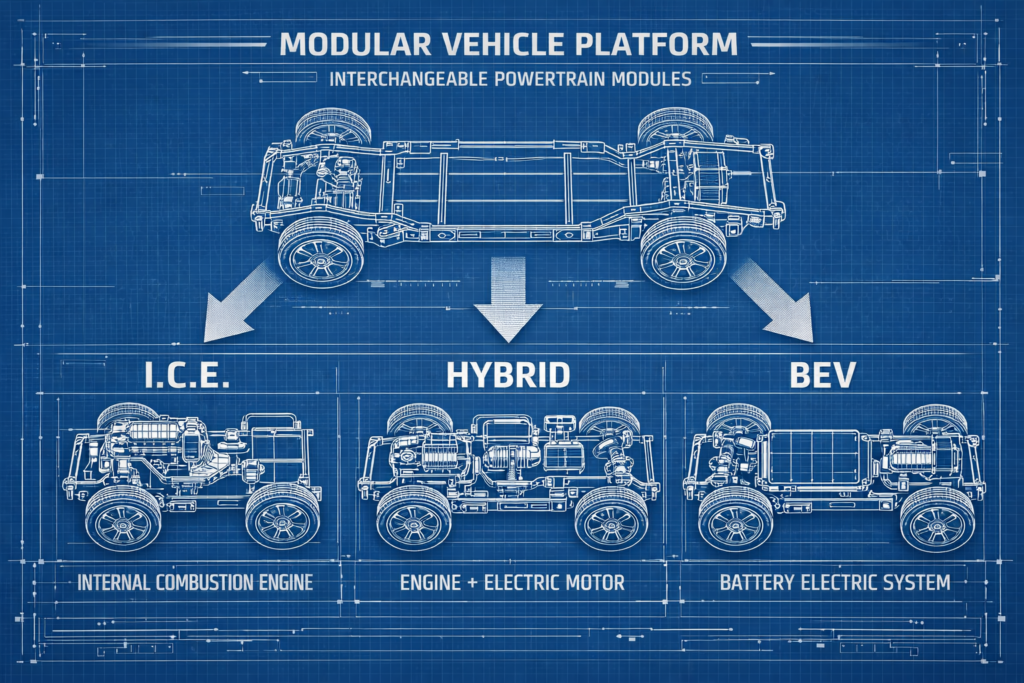
This strategy ensures that dealerships have products that customers actually want to buy. Therefore, the focus has shifted toward platforms that support multiple engine types. Meanwhile, Filosa is working to streamline manufacturing costs to offset previous R&D spending. His pragmatic leadership style aims to stabilize the brand’s footprint in a volatile market.
Exploring the Hybrid Vehicle Strategy Shift
As pure battery adoption stutters, gasoline-electric alternatives have emerged as the winners. The current hybrid vehicle strategy shift represents a middle ground for cautious consumers. These vehicles offer improved fuel efficiency without the burden of "plug-in" dependency. Consequently, Stellantis is accelerating the rollout of mild and plug-in hybrid options.
This pivot serves as a bridge between the fossil fuel era and electrification. Moreover, hybrids generate the immediate revenue needed to fund long-term research. Therefore, the company is retrofitting existing factories to handle hybrid assembly lines. This move ensures that the workforce remains productive during the transition. Meanwhile, it helps the company meet tightening carbon emission standards globally.
Market Implications of the Stellantis EV Write-down 2026
The broader automotive industry EV pivot is now characterized by caution rather than haste. Competitors are watching the Stellantis situation closely to avoid similar financial pitfalls. Many are now diversifying their portfolios to include hydrogen and synthetic fuel research. Consequently, the dream of a 100% electric roadscape has been pushed further out.
Industry analysts suggest that the "early adopter" phase of EVs has concluded. Reaching the mass market requires lower prices and better utility. Therefore, the Stellantis EV write-down 2026 highlights the gap between policy and consumer behavior. Governments may mandate electric sales, but they cannot force consumers to buy. This realization is forcing a more realistic dialogue between carmakers and regulators.
Future Outlook Following the Stellantis EV Write-down 2026
The road ahead for Stellantis involves a difficult balancing act of innovation and thrift. While the write-down was severe, the company maintains a diverse brand portfolio. This diversity provides a safety net that smaller, EV-only startups lack. Consequently, Stellantis is well-positioned to weather the current cyclical downturn in demand.
Success will depend on how quickly the firm can bring affordable hybrids to market. Moreover, they must continue to improve battery technology to lower future production costs. Therefore, the Stellantis EV write-down 2026 should be viewed as a pivot point. It marks the end of idealistic projections and the start of pragmatic engineering. Meanwhile, the company will remain a dominant force by listening to its global customer base.
Financial Resilience and Industry Evolution
The recent fiscal disclosures highlight the inherent risks of a rapid industrial overhaul. Every major player in the sector is currently re-evaluating their capital expenditure. Consequently, we are seeing a move toward shared platforms and technical partnerships. This collaboration helps spread the massive costs of developing new software-defined vehicles.
The Stellantis EV write-down 2026 proves that even giants must respect market forces. However, the company’s ability to absorb such a charge speaks to its underlying strength. By addressing these issues head-on, the leadership is preparing for a leaner future. Therefore, the focus remains on delivering value while gradually reducing the carbon footprint.
Strategic Adaptation in a Post-Write-down Era
The automotive landscape is fundamentally different than it was five years ago. High interest rates have made vehicle financing more difficult for the average family. Additionally, the second-hand market for electric vehicles remains unpredictable and volatile. Consequently, the Stellantis EV write-down 2026 is a symptom of these external economic pressures.
To thrive, the company must stay ahead of changing regulatory landscapes in Europe. Moreover, they must defend their profitable truck and SUV segments in America. This requires a nuanced approach that avoids "one size fits all" solutions. Therefore, the ongoing shift in focus toward hybrid technology is a logical necessity. Meanwhile, the brand will continue to refine its electric offerings for the eventual market rebound.
Long-term Sustainability Beyond the Stellantis EV Write-down 2026
Ultimately, the transition to sustainable mobility is a marathon, not a sprint. Short-term financial corrections do not negate the long-term trend toward cleaner energy. However, they do dictate the speed and method of that transition. The Stellantis EV write-down 2026 serves as a vital lesson for the entire industrial world.

Future success requires a deep understanding of infrastructure, economics, and human behavior. Consequently, Stellantis is investing more in software and user experience to add value. This ensures that their vehicles remain competitive regardless of the powertrain used. Therefore, the company's story is one of resilience and necessary strategic evolution. The path to 2030 will be defined by those who can adapt the fastest.
Reference Source: This article references insights reported in: https://www.nytimes.com/2026/02/06/business/stellantis-writedown-electric-vehicles.html